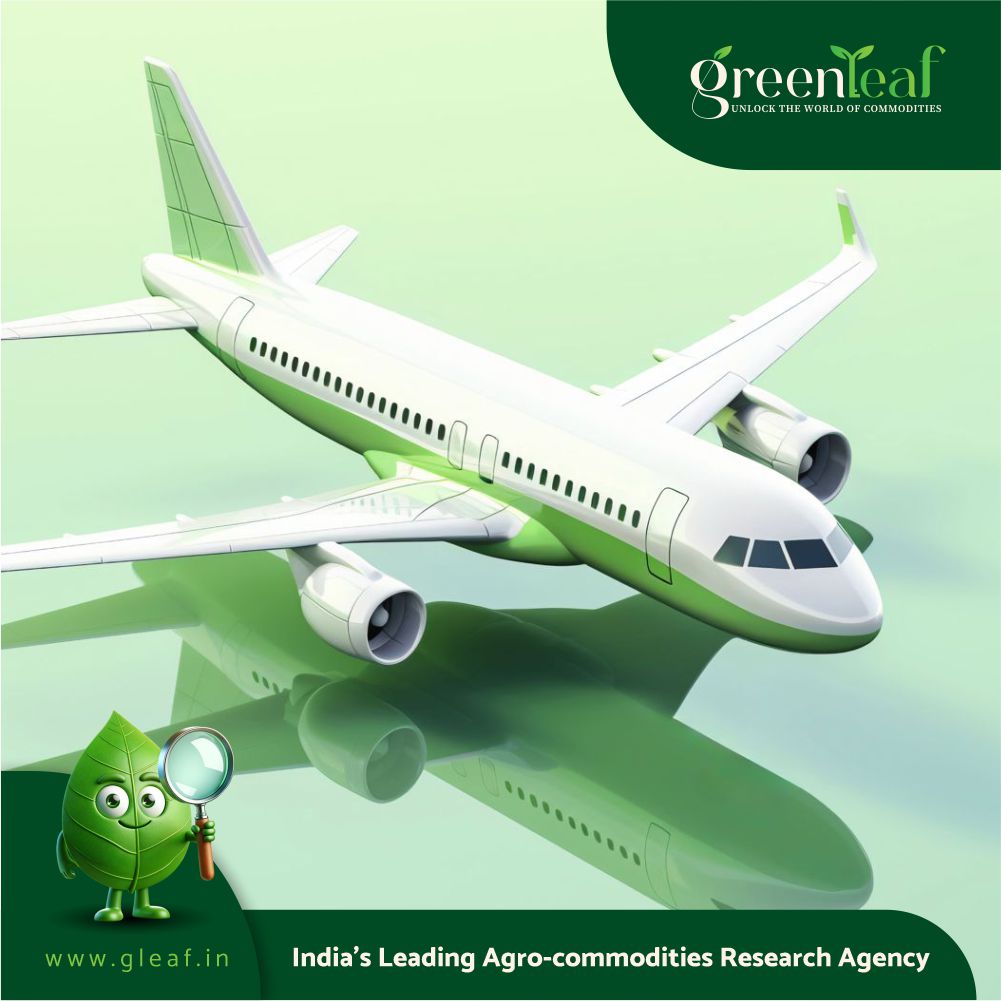
The UAE’s strong emphasis on innovation and collaboration could serve as the cornerstone for creating a new regional center dedicated to sustainable aviation fuel. By leveraging its forward-thinking approach and cooperative spirit, the nation is well-positioned to lead in this emerging field, potentially establishing a significant hub that could drive advancements in sustainable aviation across the region.
Over the past eighteen months, my Boeing colleagues and I have actively engaged with the UAE government, airline executives, aviation industry partners, and a wide array of stakeholders to explore a new chapter in renewable energy within the UAE. Our collaborative efforts were driven by a shared vision to advance the nation’s role in sustainable aviation, with a particular focus on harnessing the potential of innovative energy solutions.
We were united by a common belief that the UAE’s deep-rooted culture of innovation and its commitment to collaboration could lay the groundwork for establishing a new regional hub dedicated to sustainable aviation fuel (SAF). This vision aimed to position the UAE as a leader in the global push towards greener aviation practices, capitalizing on its strategic location and forward-thinking policies.
In November, this vision began to take shape with the launch of “Air-CRAFT,” a UAE-based research consortium designed to spearhead the development, production, and scaling of SAF technologies. This initiative was unveiled during the sidelines of the 3rd ICAO Conference on Aviation and Alternative Fuels (CAAF/3) in Dubai, marking a significant milestone in the UAE’s renewable energy journey.
The timing of this launch, just before COP28, underscores the UAE’s commitment to addressing global environmental challenges and its determination to lead by example in the aviation sector. “Air-CRAFT” represents not only a significant step forward for the UAE but also a beacon of hope for the future of sustainable aviation, as it seeks to drive innovation and collaboration in the development of alternative fuels on a regional scale.
Sustainable Aviation Fuel (SAF) in the UAE
The drive to advance Sustainable Aviation Fuel (SAF) in the UAE has gained significant traction in recent times. Just this month, Abdullah Al Marri, the UAE’s Minister of Economy and Chairman of the General Civil Aviation Authority, inaugurated the 80th annual general meeting of the International Air Transport Association (IATA). During his address, he emphasized the UAE’s promising potential for SAF production and underscored the critical role of partnerships with the private sector in achieving this goal.
In a pivotal announcement, IATA revealed plans to establish a SAF registry, a move that will allow the commercial aviation industry to meticulously track the quality and quantities of SAF being utilized. This registry is expected to facilitate the creation of a global SAF market, empowering airlines to procure SAF irrespective of its production location.
The significance of air travel and the imperative to make it as sustainable as possible are abundantly clear. The aviation industry has pledged to achieve net-zero carbon emissions by 2050, a year in which global air travel is projected to exceed 10 billion passenger journeys.
As residents of the UAE, we are acutely aware of how aviation serves as the lifeblood of this vibrant nation. Our airport hubs act as vital arteries, channeling people, goods, and essential supplies through the country, much like blood cells circulating through the body.
Air travel serves as a vital link connecting people, cultures, and businesses while providing essential services such as humanitarian airdrops and the transport of organs for life-saving transplants. In the Emirates, the aviation industry is a cornerstone of the economy, supporting nearly 800,000 jobs and contributing around 13.3 percent to the nation’s GDP. However, while reaping the benefits of aviation, it is crucial that we simultaneously strive to minimize its environmental impact.
Achieving this balance requires a comprehensive strategy. At Boeing, we believe that reducing aviation emissions can be approached through four key avenues: replacing older fleets with newer, more fuel-efficient aircraft, enhancing operational efficiency through digital innovations, and developing next-generation aircraft that utilize advanced technologies like hydrogen and electric propulsion, alongside innovative aerodynamic designs.
The fourth, and perhaps the most critical lever, is the adoption of renewable energy. Sustainable Aviation Fuel (SAF) has the potential to reduce carbon emissions by up to 85 percent over its life cycle and is fully compatible with existing aviation infrastructure. SAF can currently be blended with conventional jet fuel up to 50 percent, allowing it to work seamlessly with today’s aircraft without requiring modifications to fueling systems.
To meet the civil aviation industry’s commitment to achieving net-zero emissions by 2050, a significant increase in SAF production will be necessary. However, scaling up SAF presents challenges, including limited supply and higher production costs, which must be addressed to realize its full potential.
The UAE’s distinctive leadership role is poised to be instrumental in advancing the development and adoption of sustainable aviation fuel (SAF). At the 3rd ICAO Conference on Aviation and Alternative Fuels (CAAF/3), representatives from over 100 nations came together to endorse a global framework aimed at promoting SAF production, with the UAE emerging as a central hub for these efforts.
As a key player in the renewable energy sector and the first country in the region to sign the Paris Climate Agreement, the UAE is uniquely positioned to spearhead the next generation of SAF technologies. Among these is Power-to-Liquids (PtL), an innovative approach that holds significant promise. PtL technology involves converting renewable electricity, CO2, and water into liquid hydrocarbons, such as jet fuel, offering a sustainable alternative to conventional fossil fuels.
The UAE’s rich renewable energy resources, including its consistent sunshine and strong winds, coupled with its capability to capture carbon dioxide from the atmosphere or industrial emissions, position the country as an ideal location for establishing a PtL production hub. This strategic advantage could be a game-changer in the global push towards cleaner aviation fuels.
A report backed by Boeing suggests that while ambitious, it is within reach for the UAE to produce up to 11 million tons of PtL SAF by 2050. This production level could account for approximately 70 percent of the country’s jet fuel needs and support over one million jobs within the UAE. Additional studies also highlight similar potential, with the UAE’s National Sustainable Aviation Fuel Roadmap targeting an annual production of 700 million liters of SAF by tapping into all available feedstock sources. This roadmap underscores the UAE’s commitment to leading the charge in sustainable aviation fuel development, ensuring a greener future for the global aviation industry.
Building a new industry, especially one as critical as sustainable aviation fuel (SAF), demands robust collaboration among all stakeholders. The UAE’s airlines have already demonstrated a strong commitment to advancing SAF, showcasing their leadership in this arena.
In a groundbreaking achievement last year, Emirates successfully completed the region’s first demonstration flight powered entirely by 100 percent SAF on a Boeing 777-300ER. This milestone was preceded by Etihad’s historic 2019 flight, which was the world’s first to use a SAF blend that included fuel produced locally in the UAE from plants grown in saltwater—a foundational project supported by Boeing. Furthermore, the 2020 Boeing ecoDemonstrator program, featuring an Etihad 787-10, tested innovative technologies aimed at reducing airplane noise and emissions, all while flying on a SAF blend.
The momentum for advancing SAF in the UAE is palpable, driven by initiatives like Air-CRAFT and the pioneering work of key UAE entities such as Masdar. These efforts are laying the groundwork for the UAE to become a global leader in SAF production and sustainable aviation.
The UAE’s global recognition for its leadership in aerospace, climate action, and renewable energy is well-deserved. Given its unique position, I am confident that the UAE will play a pivotal role in ensuring the aviation industry’s growth is sustained through low-carbon technologies. However, this vision will only be realized if all stakeholders continue to collaborate, take decisive action, and deliver on the promise of unlocking SAF production not just in the Middle East, but around the world.