The ongoing extreme cold in north India, with temperatures dropping to near zero, is benefiting the wheat crop but posing challenges for other rabi crops and vegetables.
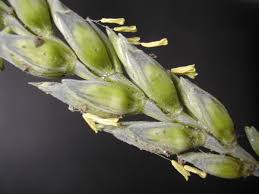
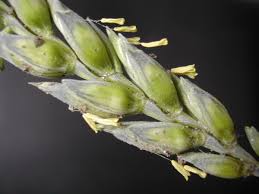
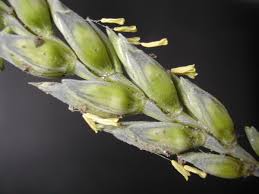
“Wheat thrives in cool and dry conditions. The current weather supports proper tillering, strong root development and efficient nutrient uptake,” said PAU vice chancellor SS Gosal. He added that if the cold wave continues for another month, a bumper wheat crop can be expected. This season, wheat is sown over 34 lakh hectares, and experts are closely monitoring the crop.
Cool, dry conditions also help minimise pest and disease pressure in wheat, leading to healthier plants and better yield. Unlike previous rabi seasons, there is no frost, but foggy conditions that can damage crops.
However, oilseeds — especially mustard (sarson) grown over 51,000 hectares in the state — and vegetables like peas, potatoes, cauliflower, cabbage, and green fodder are suffering from stunted growth. The cold wave has affected flowering, pollination and pod formation in mustard, while vegetables are facing yield losses and falling prices for growers, say agriculture experts.
The PAU has advised weekly irrigation to help vegetable crops survive the cold spell. Meteorologists predict more sunlight in the coming week, which will aid photosynthesis, though rainfall on January 23 may bring dense fog and frost. Officials said they will monitor the situation closely, but rising temperatures in the next few days are expected to provide some relief for all crops.