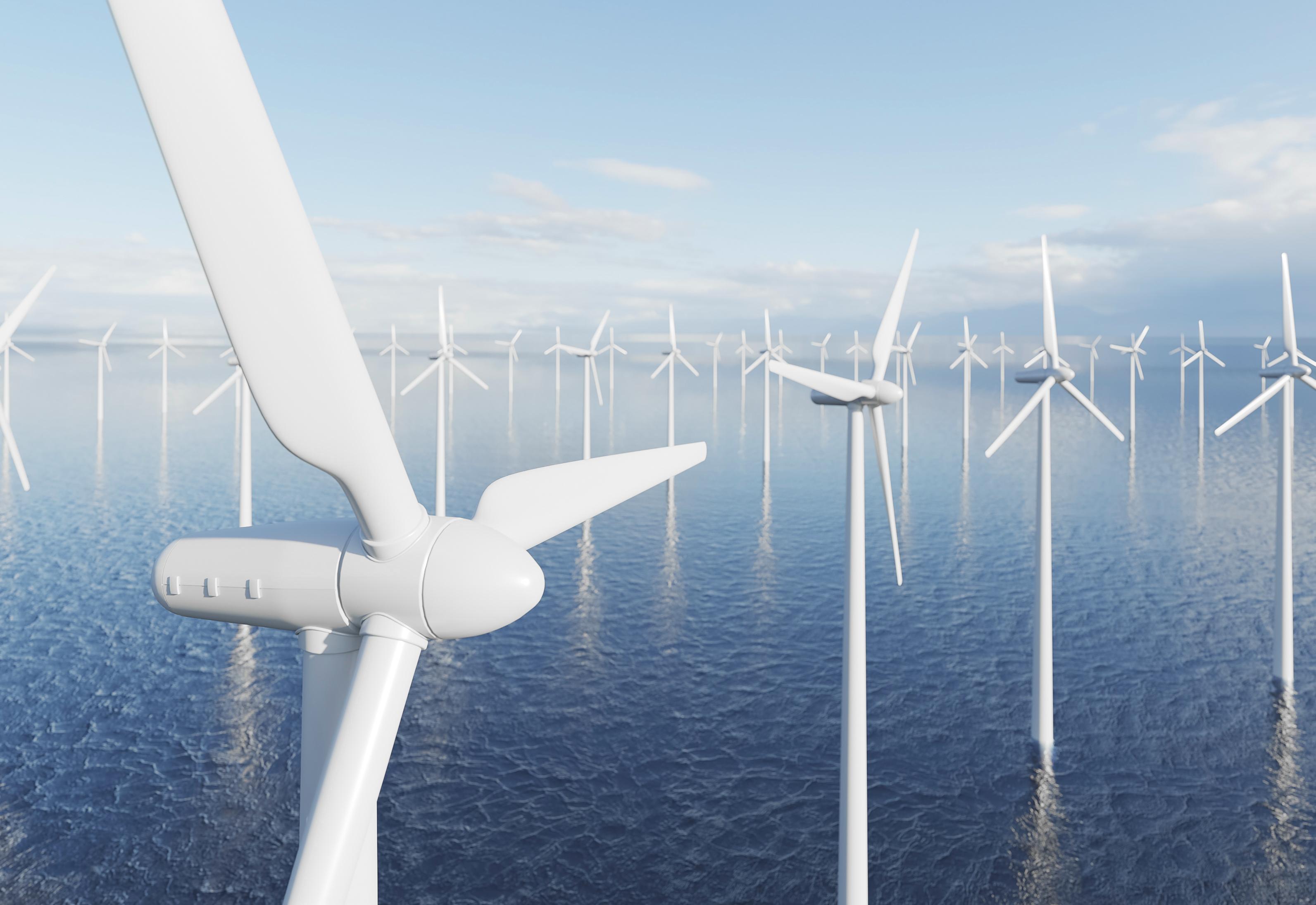
TOKYO, Dec 17 (Reuters) - Japan wants renewable energy to account for up to 50% of its electricity mix by fiscal year 2040 with nuclear power taking up another 20%, according to a draft of its revised basic energy policy, as it makes a clean energy push while meeting rising power demand.
As the world's second-largest importer of liquefied natural gas and a major consumer of Middle Eastern oil, Japan and its basic energy plans are drawing global attention from oil, gas and coal producers.
While the previous energy plan's primary focus was decarbonisation, it has shifted greater attention to energy security given heightened geopolitical risks, including the Russia-Ukraine war.
The industry ministry's policy draft, unveiled on Tuesday, proposes increasing renewables to between 40% and 50% of power supplies in the 2040 fiscal year, roughly doubling the 22.9% share in the 2023 fiscal year and exceeding the 2030 target of between 36% and 38%.
Thermal power usage, particularly from inefficient coal-fired power plants, is set to decrease to between 30% and 40% of the mix by 2040 from 68.6% in 2023, although the draft energy policy does not specify the breakdown of coal, gas and oil.
Advocates for renewable energy have criticised the draft, however, noting the lack of a roadmap for phasing out coal-fired power.
Mika Ohbayashi, a director at the Renewable Energy Institute, also pointed to the small target share for wind power, between 4% and 8%, compared with 20% for nuclear. That could leave Japan lagging in wind power compared with other markets worldwide.