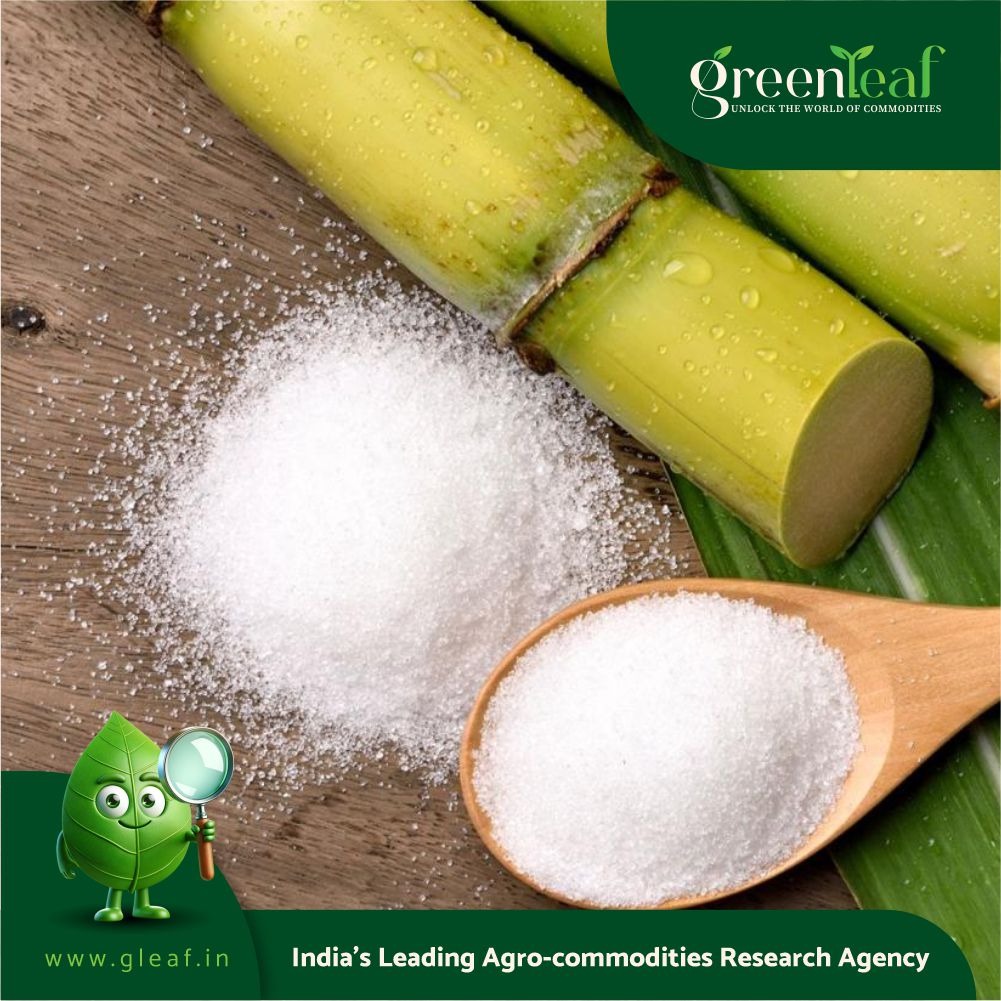
The sugar industry has long been a cornerstone of Thailand's economy, but its production process is increasingly under scrutiny for its environmental impact.
As the country seeks to balance economic growth with sustainability, the sector faces mounting pressure to reduce pollution and align with global climate goals.
Thailand ranks as the world's third-largest sugar exporter, trailing only Brazil and India. Each year, the country earns between 100-200 billion baht from exports to major markets including China, South Korea, and Indonesia.
This lucrative trade underscores the industry's importance to the national economy, but it also highlights the environmental costs associated with large-scale production.
One of the most pressing concerns is the widespread use of burning methods in sugarcane harvesting. This practice releases fine PM2.5 particles into the air,contributing to haze and health problems across agricultural regions. At the same time, the industry's logistics and operations add carbon dioxide emissions, exacerbating global warming.