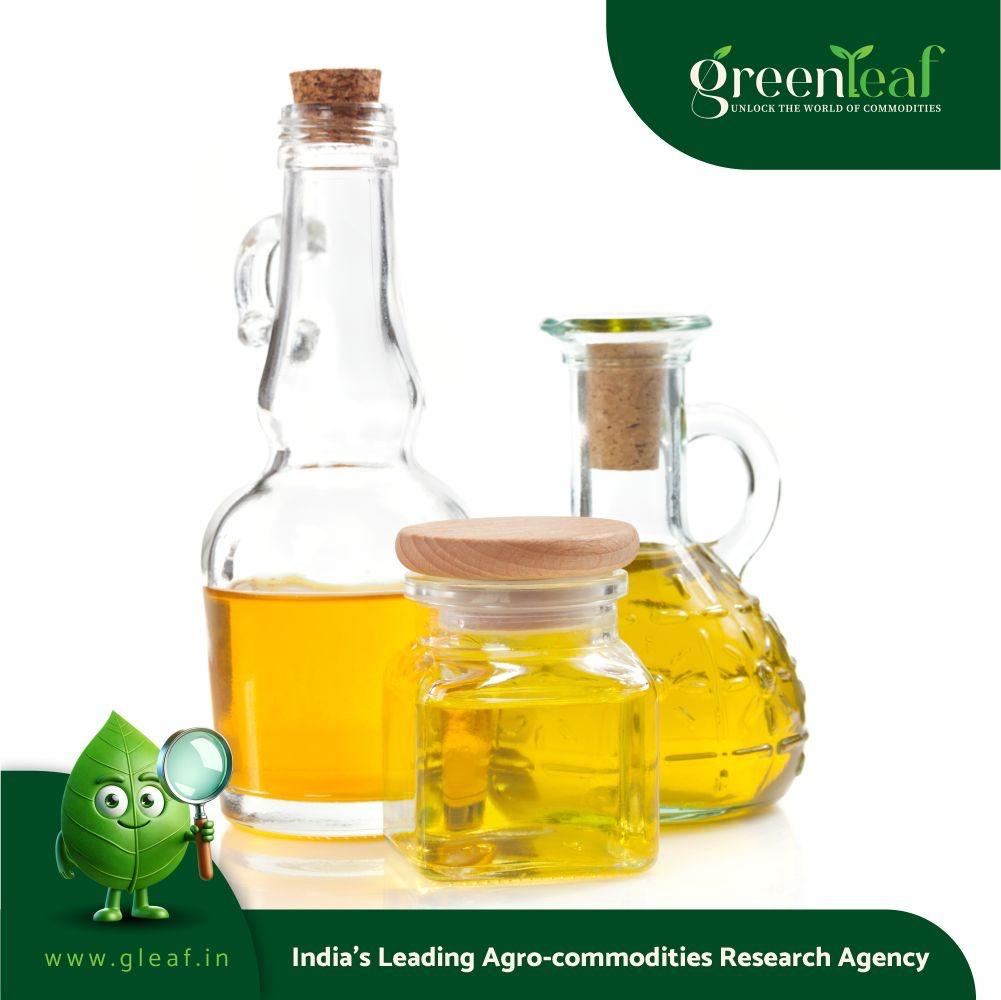
Maharashtra Chief Minister Devendra Fadnavis has announced a one-year transition period during which action will not be taken against the sale of loose edible oil in the state. The decision followed discussions with traders, giving them time to modify their businesses in line with existing legal requirements.
Fadnavis said loose edible oil remained an important purchase for many low-income and rural households, while traditional oil trading supported the livelihoods of a large number of people. He said traders required adequate time to move away from established practices and adopt systems that complied with the law.
The Chief Minister said the law would continue to apply, but a transition period was necessary to help traditional businesses shift towards regulatory compliance. The exemption will remain in force for only one year, after which traders will be required to comply fully with the applicable regulations. Fadnavis said the state government would not extend the transition period beyond the stipulated timeframe.
To facilitate the shift, the Maharashtra government will establish two committees to examine issues surrounding the loose edible oil trade. Their recommendations are expected to help create a framework for bringing traditional businesses into compliance with legal requirements.
One committee will study the challenges faced by existing traders and recommend measures to support their transition. The other will assess the infrastructure and facilities required by sellers, manufacturers and repackaging businesses operating in the edible oil sector.
The committees will consult relevant stakeholders and submit their recommendations to the state government within one month, following directions issued by the Chief Minister. Their proposals could cover quality-testing systems, packaging facilities and other infrastructure required to support compliance.
A joint mechanism involving Food and Drug Administration (FDA) officials and representatives of the oil trade will also guide businesses during the transition. Fadnavis said the state government could consider grants or subsidies where necessary to help traders make the required changes.
The decision follows action by the Maharashtra FDA last month, when it advised consumers against purchasing loose or unsealed edible oil because of concerns related to safety and adulteration. The regulator had also issued compliance-related directions to businesses in the sector.
Following the FDA's intervention, Fadnavis said the state government was seeking to balance enforcement of food quality standards with concerns over the livelihoods of traditional traders and the continued dependence of smaller consumers on loose edible oil.
According to media report, Maharashtra has 2,103 licensed businesses dealing in loose edible oil, including 370 establishments licensed for repackaging and 489 businesses holding licences for edible oil production.